Richard A. “Dick” Teague – THE DESIGNER
The Vision Behind the AMX/3
Richard A. Teague was one of the most influential figures in the history of American Motors Corporation. Born in 1923, Teague developed an early interest in automobiles and industrial design. His professional career included positions at General Motors, Packard, and Chrysler before joining American Motors in 1959.

At AMC, Teague became known for his ability to develop distinctive automobiles while working within the company’s comparatively limited resources. His design leadership helped produce some of AMC’s most recognizable vehicles, including the Javelin, AMX, Gremlin, and Pacer. Among his most ambitious projects was the AMX/3.
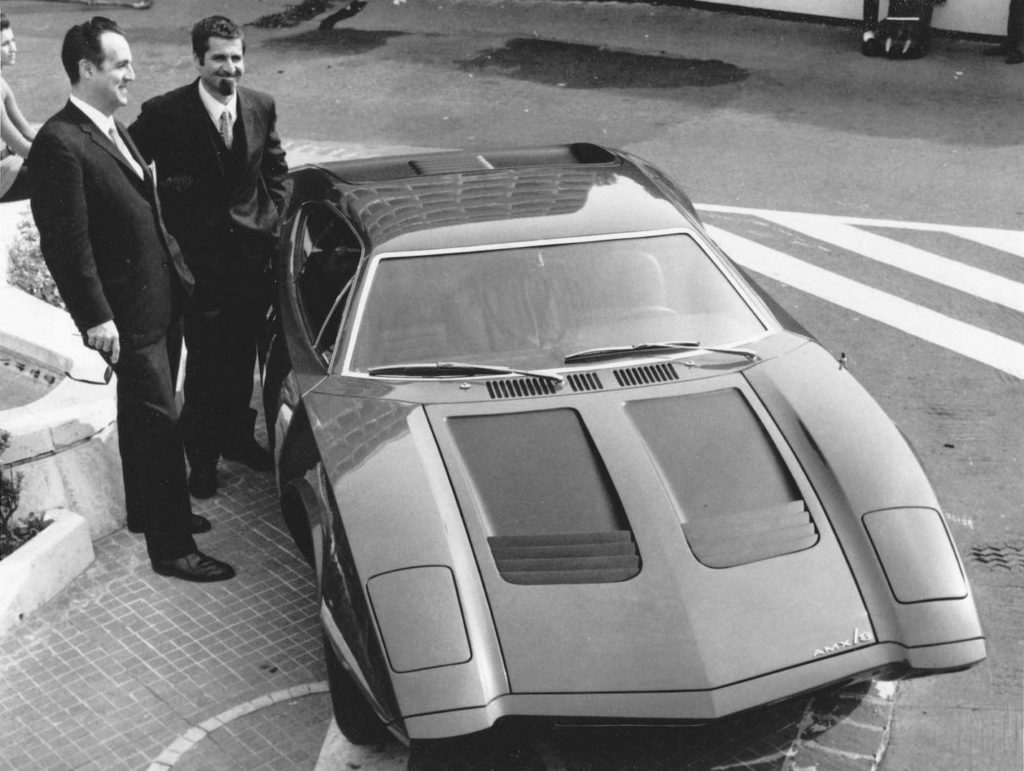
In 1967, AMC management authorized Teague and his design team to explore the development of a mid-engine sports car. The initial work helped establish the direction of what would become the AMX/3 program. AMC subsequently arranged a design competition between its internal styling department and Italian designer Giorgetto Giugiaro. Teague’s team developed the design selected for the project.
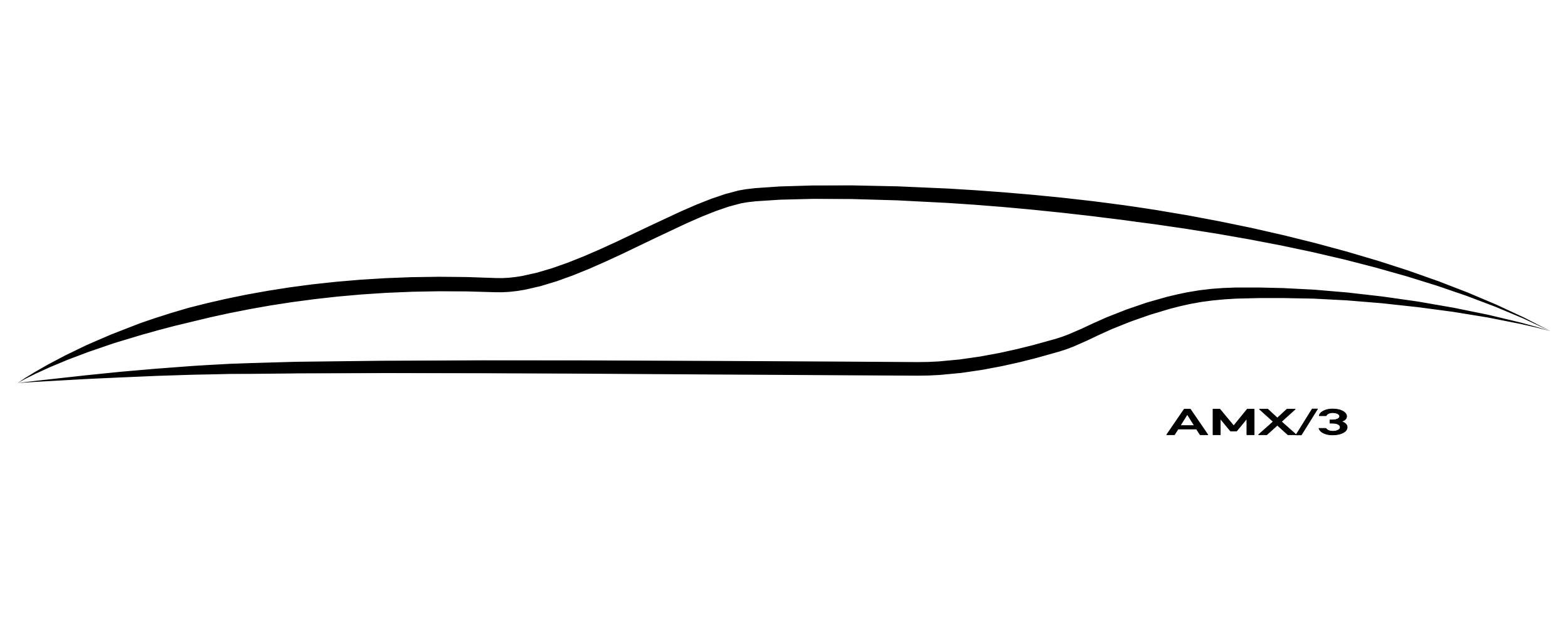
Although Teague directed the effort, the AMX/3 was the product of a collaborative design process. Members of the AMC team included Bob Nixon, Jack Kenitz, Eric Kugler, Dick Jones, and Gary Guichard, supported by skilled modelers and other design personnel. The resulting automobile was a striking departure from AMC’s conventional production vehicles. Its low profile, wide stance, dramatic proportions, and mid-engine configuration gave the AMX/3 an appearance more commonly associated with European exotic automobiles. Yet the design retained a distinctly American character. Teague remained connected to the AMX/3 even after the program was canceled.
During the early 1970s, he arranged for the first prototype, Chassis 001, to be brought to the United States. The incomplete automobile eventually passed into private ownership, beginning a remarkable period of preservation that would last for decades.
Although the AMX/3 never entered production, its design remains one of the most memorable achievements of Teague’s career. More than half a century later, the car continues to demonstrate the creativity and ambition of AMC’s design department.